
Teeth Clenching Treatment Kitchener
Find relief from bruxism and teeth grinding with expert care at Walk in The Park Family Dental.

Certified Experts
If you clench or grind your teeth, you are not alone, and there are good ways to manage it. At Walk In The Park Family Dental in Kitchener, we treat bruxism to ease the pain it causes and keep your teeth from wearing down. You can reach us at (519) 743-1172, and we are at 890 Glasgow St #6, Kitchener, ON.
Causes of Bruxism / Teeth Clenching
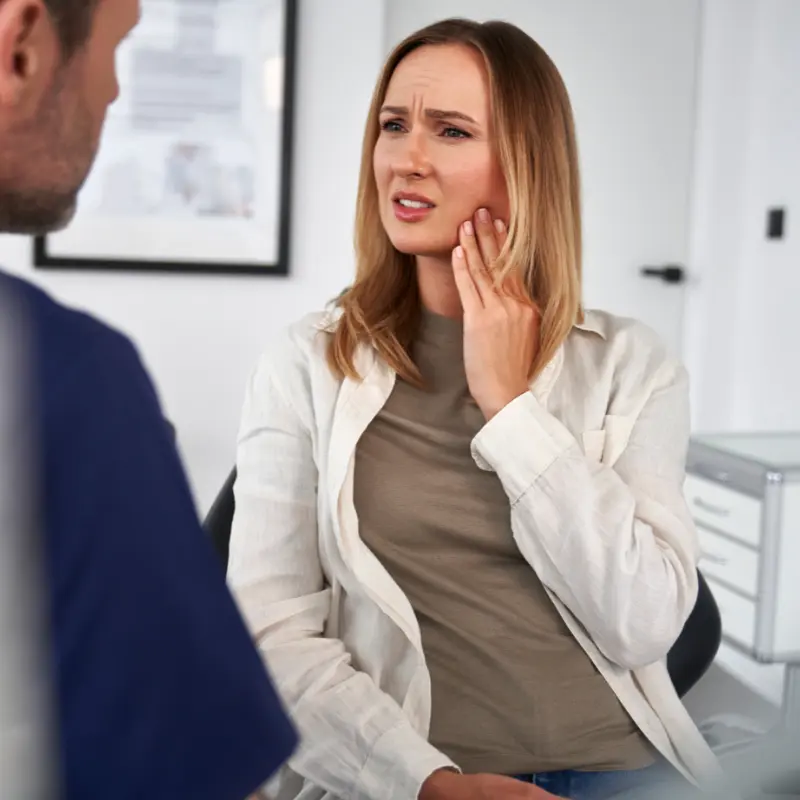
- Stress and anxiety are among the most common reasons people clench or grind, often without realizing they are doing it.
- Sleep problems play a role too. Sleep apnea, for example, can make nighttime grinding more likely.
- A misaligned bite can set off grinding as the jaw keeps shifting to find a comfortable resting position.
- Smoking, heavy alcohol use, and a lot of caffeine can each make clenching worse.
- Some medications list bruxism as a side effect. Certain antidepressants are one example.
Symptoms of Bruxism
- Ongoing pain or tightness in the jaw, neck, or face.
- Teeth that feel more sensitive to hot, cold, or sweet foods and drinks.
- Headaches, especially first thing in the morning.
- Teeth that look flattened, chipped, or cracked from grinding.
- Earaches that are sometimes mistaken for an ear infection.
- Restless sleep, whether from the grinding itself or the discomfort it causes.
Bruxism Treatment in Kitchener
At Walk In The Park Family Dental, we treat bruxism by looking at what is driving it and easing the symptoms it causes. There is no single fix that works for everyone, so we talk through the options below and figure out which ones suit you.
Dental Splints and Mouthguards
A dental splint or mouthguard is one of the most common ways to manage bruxism. We custom-fit the device to your teeth so it sits comfortably and protects them while you sleep. It spreads the force of grinding across your teeth instead of letting it land on a few, which cuts down on wear.
Behavioural Therapy
When bruxism is tied to stress or anxiety, working on the stress itself can help. Relaxation exercises and approaches like cognitive behavioural therapy give you ways to wind down, which often eases the clenching that comes with it.
Botox for Bruxism
Botox is another option for bruxism. A small injection relaxes the muscles that do the clenching, which can ease jaw pain and take some of the force out of grinding for many patients. Our team is trained to give these injections, and we will go over whether the treatment makes sense for you before starting.
Orthodontic Treatment
If a misaligned bite is behind your grinding, we may suggest orthodontic treatment. Braces or clear aligners can straighten the bite so your jaw settles into a more comfortable position, which takes pressure off it and can cut down on grinding.
Medication
Medication is sometimes part of the plan. A muscle relaxant can quiet down activity in the jaw, and if your grinding is linked to something like anxiety or depression, treating that condition may help too. We would discuss any prescription with you and coordinate with your doctor where it makes sense.
If grinding has already worn or chipped your teeth, our cosmetic dentistry options can help repair them and restore how your smile looks.
Why Choose Walk In The Park Family Dental?
Where you go for bruxism care makes a difference. Here is what you can expect from us in Kitchener:
- Our team has years of experience diagnosing and treating grinding and clenching, and we keep up with how the care is done.
- No two patients are the same, so we build the plan around your symptoms and what matters to you.
- We are at 890 Glasgow St #6 in Kitchener, which is easy to get to when you need an appointment.
- We want you comfortable while you are here, and our staff works to make visits feel relaxed rather than rushed.
Teeth Clenching and Grinding Options We Offer in Kitchener
Bruxism looks different for every patient, so we offer a range of options at our Kitchener clinic and review which ones fit your situation. Some people clench during the day, others grind at night, and some carry tension in their jaw muscles, but the goal is the same: protect your teeth from wear and ease the strain on your jaw. Here are some of the approaches we may discuss with you.
Custom Night Guards
A custom-fitted night guard is one of the most common ways to manage nighttime grinding. Unlike one-size-fits-all guards from a pharmacy, a custom guard is made from an impression of your teeth so it fits comfortably and stays in place. It acts as a cushion between your upper and lower teeth, helping to absorb grinding forces and reduce enamel wear while you sleep.
Daytime Bite Splints
Some people clench their teeth during the day, often while concentrating, driving, or working at a desk. A thinner daytime splint can help reduce contact between the teeth and remind you to relax your jaw. We will talk through your daily habits to decide whether a daytime appliance, a nighttime guard, or both may be helpful for you.
Botox for the Jaw Muscles
For patients with strong clenching and noticeable jaw-muscle tension, small Botox injections into the masseter muscles may help relax those muscles and reduce the force of clenching. This can ease jaw soreness and tension headaches for some patients. We review whether this option is appropriate for you, explain what it involves, and discuss what to expect before moving ahead.
Addressing the Underlying Cause
Because bruxism is often linked to stress, sleep, or bite alignment, treating the symptoms alone is rarely the whole picture. We may suggest relaxation strategies, adjustments to a misaligned bite, or a referral if a sleep disorder seems to be involved. Combining tooth protection with attention to the underlying cause tends to give the most lasting relief.
What to Expect During Your Bruxism Visit
If you think you may be grinding or clenching your teeth, here is how a typical visit at Walk In The Park Family Dental usually unfolds. We keep things relaxed and explain each step so you always know what is happening.
Consultation and Examination
We start by talking about your symptoms, such as jaw pain, headaches, or tooth sensitivity, and your daily stress and sleep patterns. Then we examine your teeth for signs of wear, check your jaw muscles and joints for tenderness, and look at how your teeth come together. This helps us understand how bruxism may be affecting you.
Personalized Treatment Plan
Based on what we find, we put together a plan suited to your needs. This might involve a custom night guard, a daytime splint, jaw-muscle treatment, bite adjustment, or a combination. We review the options with you, including what each one involves, so you can make an informed decision at a comfortable pace.
Fitting and Follow-Up
If a guard or splint is part of your plan, we take impressions and fit the appliance at a later visit, making small adjustments so it feels right. We then check in over time to see how your jaw and teeth are responding and to fine-tune your care as needed.
Caring for Your Teeth and Night Guard
A few simple habits can protect your teeth from grinding and keep any appliance in good shape. These tips are easy to fit into your routine.
- Rinse and gently brush your night guard each morning, then let it air-dry before storing it in its case.
- Keep your guard away from heat and pets, and bring it to checkups so we can inspect it for wear.
- Try to notice daytime clenching and consciously rest your jaw with your teeth slightly apart and lips together.
- Limit caffeine and alcohol in the evening, since both can worsen nighttime grinding for some people.
- Wind down before bed with a calming routine, as lowering stress often helps reduce clenching.
- Mention any new jaw pain, headaches, or changes in your bite so we can adjust your care.
Why Protecting Your Teeth From Grinding Matters
Left unmanaged, ongoing grinding and clenching can gradually wear down enamel, flatten or chip teeth, and put strain on the jaw joints and muscles. Over time this may lead to increased sensitivity, cracked teeth, or persistent jaw and facial discomfort. Acting early gives us a better chance to protect your natural teeth and keep small issues from growing.
It is not just about the teeth either. Many patients find that easing jaw tension also helps with headaches and sleep, and they feel more comfortable through the day. Our aim is to help you feel better while keeping your natural teeth, and we are happy to revisit your plan as your needs change.
Teeth Clenching Frequently Asked Questions
How do I know if I grind my teeth at night?
Many people are not aware they grind because it happens during sleep. Common clues include waking with a sore jaw or headache, increased tooth sensitivity, or a partner noticing grinding sounds at night. During an exam we can also spot signs of wear that point to bruxism, even if you have not noticed it yourself.
Is a custom night guard better than a store-bought one?
A custom night guard is made to fit your teeth precisely, which tends to be more comfortable and more durable than a generic guard. A better fit usually means you are more likely to wear it consistently. We are glad to compare your options and explain what may suit you best.
Does Botox for jaw clenching hurt?
The injections use a very fine needle and most patients describe only a brief pinch. The procedure is quick, and we take time to keep you comfortable throughout. We will walk you through what to expect and answer any questions before you decide whether this option is right for you.
How much does bruxism treatment cost?
Cost varies depending on the approach, such as a custom guard, splint, or jaw-muscle treatment, and on your individual needs. We review pricing with you at your consultation so you have clear information before deciding, and we can discuss how your dental plan may apply.
Can stress really cause teeth grinding?
Yes, stress and anxiety are among the more common contributors to clenching and grinding for many people. That is why we look at the whole picture and may combine tooth protection with relaxation strategies. Addressing both the symptoms and possible triggers often gives more comfortable, lasting results.
Schedule Your Appointment Today
If you have noticed signs of bruxism or teeth clenching, it is worth having it looked at sooner rather than later. Catching it early gives us a better chance to protect your teeth and ease the discomfort. To book an appointment for bruxism treatment in Kitchener, call us at (519) 743-1172 or come by 890 Glasgow St #6, Kitchener, ON. We are glad to help you protect your teeth and feel more comfortable day to day.
Ready to talk about teeth clenching?
Book your visit to Walk In The Park Family Dental in Kitchener — new patients are always welcome.
Book an AppointmentBook your visit to our Kitchener clinic
- Address: 890 Glasgow St #6, Kitchener, ON N2N 3G6
- Phone: (519) 743-1172
- Email: [email protected]