
Dental Crowns and Bridges Kitchener
Get quality dental crowns and bridges in Kitchener, ON. Walk in The Park Family Dental provides personalized care for lasting results.

Our Dentists
At Walk In The Park Family Dental in Kitchener, crowns and bridges are part of how we help people get back to eating and smiling normally after a tooth is damaged or lost. Dr. Daniel Park and Dr. Alison Midgley fit both. This page walks through how each one works, the materials we use, and what to expect when you come in.
What Are Dental Crowns and Bridges?
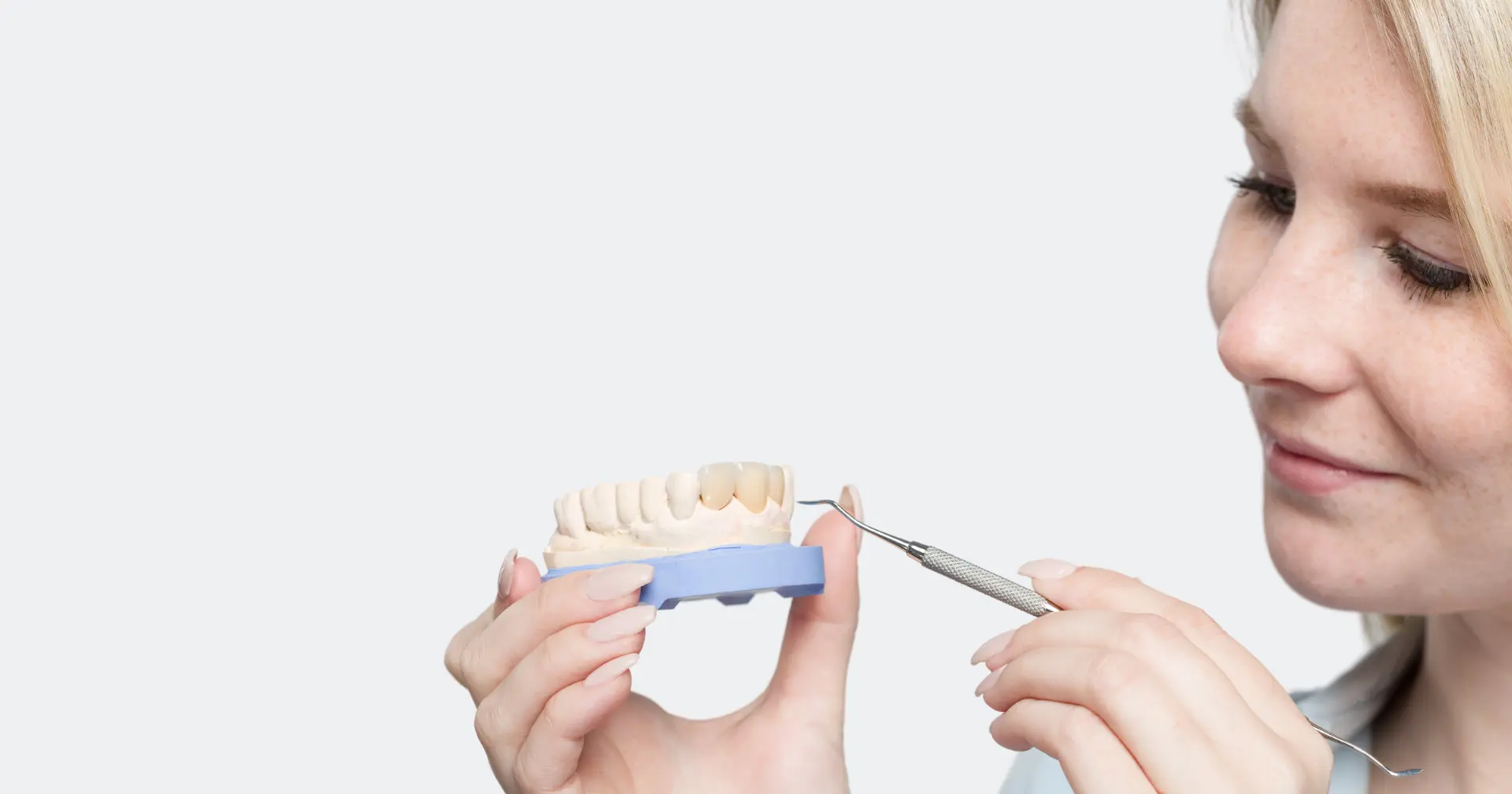
A dental crown, sometimes called a tooth cap, is a custom-made cover that fits over a tooth. It restores the tooth's shape, size, and function. We use crowns to protect a weak tooth, rebuild one that's broken, or improve the look of a tooth that's discoloured or oddly shaped.
A bridge replaces one or more missing teeth. It's made of artificial teeth held in place by crowns on the natural teeth or implants next to the gap. Besides closing the gap, a bridge helps keep your remaining teeth from drifting out of position and supports the shape of your face.
Benefits of Dental Crowns in Kitchener
- A crown rebuilds a damaged tooth so you can chew and speak normally again.
- It covers a discoloured or oddly shaped tooth, which evens out how your smile looks.
- Porcelain and ceramic crowns are strong, so with good care they last many years.
- A crown shields a weak or cracked tooth from breaking further down the line.
- Because each one is made to fit your tooth, it feels comfortable and natural once it settles in.
Types of Dental Crowns Available
Porcelain crowns are popular because they match the colour and translucency of natural teeth closely.
Ceramic crowns look much the same and work well on front teeth where appearance matters most.
Metal crowns, made from gold, palladium, or nickel, are very durable and suit molars that take heavy chewing.
Porcelain-fused-to-metal crowns put a metal base under a porcelain surface, so you get strength and a natural look together.
The Dental Crown Procedure
Most crowns take two visits to our Kitchener clinic. Here is how it usually goes.
First visit
the dentist examines the tooth and takes X-rays to check its condition. If there is heavy decay or a risk of infection, you may need a root canal first. Next the tooth is reshaped to make room for the crown, which means removing a thin layer from the surface. We then take an impression of that tooth and the ones around it so your crown is made to fit, and you leave with a temporary crown protecting the tooth until the real one is ready.
Step 2
The dentist examines the tooth and takes X-rays to check its condition. If there is heavy decay or a risk of infection, you may need a root canal first.
Step 3
The tooth is reshaped to make room for the crown, which means removing a thin layer from the surface.
Step 4
We take an impression of the reshaped tooth and the surrounding teeth so the crown is made to fit.
Step 5
A temporary crown goes over the prepared tooth to protect it until the permanent one is ready.
Second visit
once the permanent crown comes back, we take off the temporary one, fit the new crown, adjust it until your bite feels right, and cement it in place.
Step 7
Once the permanent crown comes back, we take off the temporary one, fit the new crown, adjust it until your bite feels right, and cement it in place.
Dental Bridges in Kitchener: Restoring Your Smile
If you are missing one or more teeth, a bridge is one way to fill the gap and get your mouth working normally again. Here is what a bridge does at Walk In The Park Family Dental.
- It fills the space left by missing teeth so your smile looks complete again.
- It makes chewing and speaking easier than living with the gap.
- It keeps the neighbouring teeth from drifting into the empty space, which can throw off your bite.
- It supports the shape of your face, which can sag a little when teeth are missing.
Types of Dental Bridges
Traditional bridges use one or more artificial teeth held in place by crowns on the teeth either side of the gap. This is the most common type and works when you have natural teeth on both sides.
Cantilever bridges anchor to a tooth on only one side of the gap. They are less common and best for spots that do not take much chewing pressure.
Maryland bridges, also called resin-bonded bridges, use a metal or porcelain framework with wings bonded to the back of the neighbouring teeth. They are mostly used to replace missing front teeth.
Implant-supported bridges rest on dental implants instead of crowns. They suit patients missing several teeth and hold up well over the long run.
The Dental Bridge Procedure
Getting a bridge at Walk In The Park Family Dental takes a few steps.
Step 1
First we check your oral health and work out which type of bridge fits your situation.
Step 2
The teeth on either side of the gap are prepared by removing a little enamel so the crowns can sit over them.
Step 3
We take impressions of your teeth so the bridge is made to fit.
Step 4
A temporary bridge protects the prepared teeth and gums while the permanent one is made.
Step 5
When the permanent bridge is ready, we remove the temporary one, fit the new bridge, adjust it until your bite feels right, and cement it in place.
Aftercare for Dental Crowns and Bridges
- Brush twice a day and floss daily, and give the gumline around each crown and bridge a little extra attention so plaque does not build up.
- Come in for regular check-ups and cleanings so we can catch small problems early and keep your crowns and bridges in good shape.
- Go easy on hard foods and objects like ice and hard candy, which can crack a restoration.
- If something feels off, like a loose crown or any discomfort, call us and we will get you booked in.
For urgent concerns, our Kitchener office also offers emergency dental services to provide prompt care when you need it most.
Why Choose Walk In The Park Family Dental?
- Dr. Daniel Park and Dr. Alison Midgley have fitted plenty of crowns and bridges, and they take the time to do it carefully.
- We plan each crown or bridge around your tooth, your goals, and your budget rather than offering a one-size-fits-all option.
- Our clinic is at 890 Glasgow St #6 in Kitchener, which is easy to reach.
- We also handle the rest of your dental care, so crowns and bridges fit into your regular visits instead of being a separate trip elsewhere.
- If a problem comes up between appointments, you can reach us at (519) 743-1172.
Crown and Bridge Materials We Use in Kitchener
Choosing the right material for a crown or bridge depends on where the tooth sits in your mouth, how much biting force it handles, and how natural you want it to look. During your visit we review the options together and help you decide what fits your tooth, your goals, and your budget. Here are the main materials we work with at our Kitchener clinic.
All-Porcelain and All-Ceramic
All-porcelain and all-ceramic restorations are a common choice for front teeth and visible areas because they closely match the colour and translucency of natural enamel. They are metal-free, which makes them a comfortable option for people with metal sensitivities, and they tend to look very natural in everyday light.
Zirconia
Zirconia is a strong, tooth-coloured ceramic that holds up well to heavy chewing, so it is often used for back teeth and longer bridges. It offers a good balance of strength and a natural appearance, and it can be a practical choice when durability is a priority.
Porcelain-Fused-to-Metal
Porcelain-fused-to-metal (PFM) restorations pair a metal core for strength with a porcelain outer layer for a natural look. They have a long track record and can work well in many situations, particularly where a tooth needs extra support but still needs to blend with surrounding teeth.
Gold and Metal Alloys
Gold and other metal alloys are highly durable and gentle on opposing teeth, which is why they are sometimes recommended for molars that take on significant chewing force. While they do not match tooth colour, their longevity makes them a sensible option for teeth that are not highly visible.
When Are Crowns and Bridges Recommended?
Crowns and bridges address different problems, and the right choice depends on your specific situation. A crown is generally considered when a single tooth is weakened, cracked, heavily filled, or has had root canal treatment and needs full coverage to stay protected. A bridge is considered when one or more teeth are missing and there are healthy teeth or implants nearby to anchor the replacement.
Not everyone is an automatic candidate for either option, and that is something we assess carefully. Healthy gums and adequate bone support help a restoration last, so we may recommend treating gum disease or decay before fitting a crown or bridge. In many cases we will also discuss alternatives such as dental implants or partial dentures, so you can weigh the choices and decide what suits you best.
Caring for Your Crowns and Bridges
With consistent home care and regular check-ups, crowns and bridges can serve you well for many years. The habits below help protect both the restoration and the natural teeth and gums supporting it.
- Brush gently twice a day with a soft-bristled toothbrush and a fluoride toothpaste, paying attention to the gumline around each crown.
- Clean between and under bridges daily using floss threaders, interdental brushes, or a water flosser to remove trapped food and plaque.
- Limit very hard or sticky foods such as ice, hard candy, and caramel, which can chip a restoration or loosen the cement over time.
- If you grind or clench your teeth at night, ask us about a custom nightguard to reduce wear on your crowns and bridges.
- Keep up with routine cleanings and exams so we can check the fit, edges, and supporting teeth before small concerns grow.
- Contact us promptly if a crown or bridge feels loose, sensitive, or rough, since early attention often makes repairs simpler.
How Long Do Crowns and Bridges Last?
The lifespan of a crown or bridge varies from person to person, but with good oral hygiene and regular dental visits, many restorations last well over a decade. Daily habits make a real difference: keeping the supporting teeth and gums healthy, avoiding using your teeth as tools, and managing teeth grinding all help your restoration hold up over time.
Like natural teeth, crowns and bridges can eventually wear, chip, or develop decay at the edges where they meet the tooth. Routine check-ups let us monitor your restorations and plan ahead if a replacement is ever needed, so you are never caught off guard. We will always talk through what we see and what your options are at each visit.
Dental Crowns and Bridges Frequently Asked Questions
Does getting a crown or bridge hurt?
We numb the area with local anaesthetic, so most people feel pressure rather than pain during treatment. Some sensitivity or tenderness for a few days afterward is normal and usually settles on its own. Tell us if you feel anxious and we will slow down and keep you comfortable.
How much do crowns and bridges cost in Kitchener?
Cost varies depending on the type of restoration, the material chosen, and how many teeth are involved. We review pricing with you at your consultation and provide an estimate before any treatment begins, so there are no surprises. If you have dental insurance, our team can help you understand your coverage.
How many appointments will I need?
A traditional crown or bridge generally takes two visits: one to prepare the tooth and take impressions, and a second to fit the final restoration once it has been made. You will usually wear a temporary crown or bridge in between to protect the prepared teeth. We will outline your specific timeline at your first appointment.
Will my crown or bridge look natural?
We match the shade and shape of your restoration to the teeth around it, and tooth-coloured materials like porcelain and zirconia look natural in everyday light. For front teeth that show when you talk, we take extra care getting the colour and translucency right. The aim is a comfortable result that fits the way you speak and smile.
What is the difference between a crown and a bridge?
A crown covers and protects a single damaged or weakened tooth, while a bridge replaces one or more missing teeth by anchoring artificial teeth to crowns or implants on either side of the gap. In some cases the two work together, since a bridge relies on crowns to stay securely in place. We help you decide which approach fits your needs.
Contact Us
If you are considering a dental crown or bridge in Kitchener, we are happy to talk it through. Call or stop by Walk In The Park Family Dental to book an appointment or ask us a question.
Walk In The Park Family Dental
890 Glasgow St #6, Kitchener, ON
Ready to talk about dental crowns & bridges?
Book your visit to Walk In The Park Family Dental in Kitchener — new patients are always welcome.
Book an AppointmentBook your visit to our Kitchener clinic
- Address: 890 Glasgow St #6, Kitchener, ON N2N 3G6
- Phone: (519) 743-1172
- Email: [email protected]