
Root Canals Kitchener
Walk in The Park Family Dental offers gentle and effective root canal treatments in Kitchener. get advance techniques to save your teeth and relieve pain.
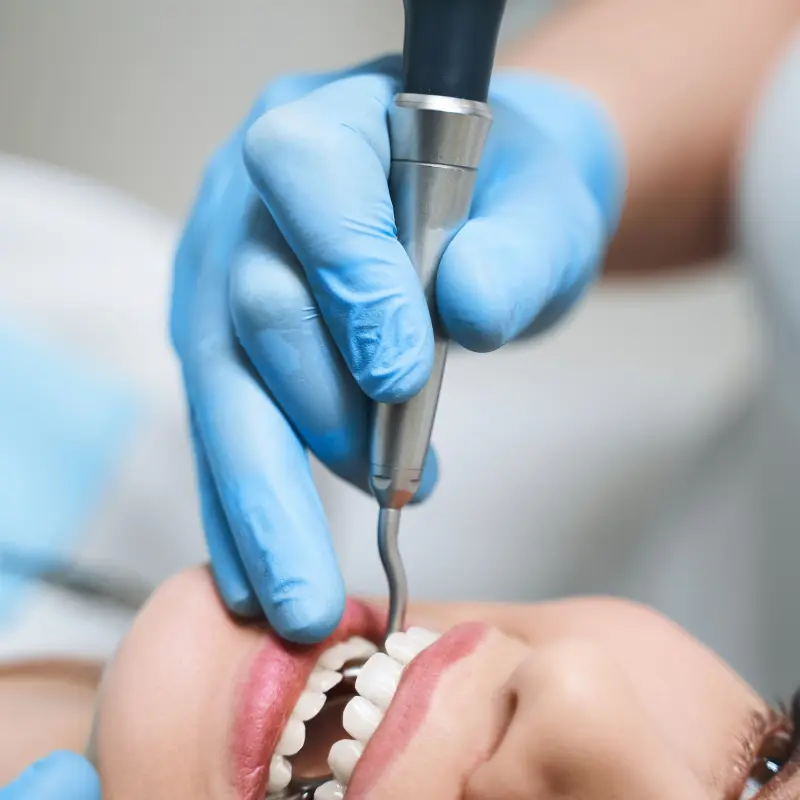
Walk In The Park Family Dental is at 890 Glasgow St #6 in Kitchener, and root canal therapy is one of the ways we help people hold on to teeth that might otherwise come out. Dr. Daniel Park and Dr. Alison Midgley handle these treatments. The methods we use now are a good deal gentler than the reputation root canals have hung onto over the years.
Understanding Root Canal Treatment

People tend to dread root canals, but the procedure is what stops the pain rather than causes it. You're numbed with local anesthetic the whole time, and most patients tell us afterward that it felt a lot like getting a large filling.
The work itself is straightforward: we clean the infected pulp out of the tooth, disinfect the inside, and seal it back up. A crown usually goes on top to protect the tooth and get it chewing normally again.
Signs You May Need a Root Canal
- Lingering tooth pain or sensitivity to hot and cold
- Swelling near the gums around a particular tooth
- A small, pimple-like bump on the gums that may drain
- Darkening or discolouration of a single tooth
- Tenderness when biting or chewing
- Note: some infected teeth cause no pain at first, which is why regular checkups matter
Root Canal vs. Tooth Extraction
Root Canal: Save the Tooth
When a tooth can be saved, keeping your own is usually the better call over the long run.
- Preserves your natural tooth and proper bite alignment
- Keeps neighbouring teeth from shifting out of position
- Maintains jawbone health and facial structure
- Usually costs less than tooth-replacement options
- A treated tooth can last for decades with proper care
Extraction: Remove the Tooth
Sometimes pulling the tooth is the only option, but it tends to create more work later on.
- You'll need to replace the missing tooth to avoid bite and bone problems
- Implants, bridges, and partial dentures all mean extra procedures
- Those replacements need ongoing upkeep
- A natural tooth usually works better than anything artificial
The Root Canal Procedure: What to Expect
Treatment usually takes one to three visits, depending on the infection and the tooth. Here's the typical sequence:
Step 1
Examination and digital X-rays to assess the infection
Step 2
Local anesthesia to numb the area completely
Step 3
Remove infected pulp through a small access opening
Step 4
Clean and shape the canals to remove bacteria and debris
Step 5
Seal the canals with a biocompatible material called gutta-percha
Step 6
Place a temporary filling while your custom crown is made
Step 7
Fit a permanent, colour-matched crown to restore full function
Recovery and Aftercare

- Most patients return to a regular diet within a week
- Go easy on the temporary crown, so skip sticky candy and chewing ice
- Keep brushing and flossing gently around the treated tooth
- Mild tenderness for a few days afterward is normal
Long-Term Outcomes After Treatment
- Most treated teeth go on working normally for decades
- Treating the tooth early, before the infection settles in, gives the best result
- The crown guards the tooth against cracking later on
- Canals that are sealed well help keep reinfection out
- Regular checkups and digital X-rays catch any problems early
Root Canal Myths vs. Reality
The Myths
- Root canals cause illness
- Extraction and an implant is always the better option
- Treatment is too expensive to consider
The Reality
- The research is clear that treated teeth pose no health risk, and major dental organizations back root canal therapy as safe and effective
- An implant means surgery, sometimes a bone graft, and months of healing, while a root canal keeps your own tooth and takes far less time
- A root canal usually costs less than pulling the tooth and replacing it with an implant, and many insurance plans help cover it
Same-Day Emergency Root Canals in Kitchener
Bad tooth pain rarely waits for a convenient time. We keep room in the schedule for same-day emergency appointments, including root canal emergencies. When the pain gets intense or your face starts to swell, getting in quickly matters. Emergency care often means opening the tooth to relieve the pressure and drain the infection, plus antibiotics if it has started to spread.
We see patients from across Kitchener, including Forest Heights, Cherry Hill, and downtown. If you're in pain, call us at (519) 743-1172 rather than waiting it out, since putting it off usually makes the problem harder to fix.
The Tools We Use for Better Outcomes

Rotary Instruments
Motorized rotary tools clean the canals more thoroughly than hand files do. They clear out the infected tissue while leaving the healthy part of the tooth intact.
Electronic Apex Locators
These measure the exact length of each canal, so we can clean the whole thing without working past the tip of the root. That helps us avoid trouble after the treatment.
Advanced Irrigation
Antimicrobial rinses get into spots the instruments can't reach and clear out bacteria better than the older methods did.
Preventing Future Root Canals
- Keep regular cleanings and checkups to catch problems early
- Treat small cavities promptly, before they reach the pulp
- Wear a mouthguard during sports
- Avoid chewing ice or other hard objects
- Don't use your teeth as tools to open packages
Why Choose Walk In The Park Family Dental
Clear, Caring Explanations
We take the time to walk you through each step and answer whatever you're wondering about. The treatment rooms are comfortable, and the team is here to help you settle in.
Convenient and Accessible
We're at 890 Glasgow St #6, easy to reach from anywhere in Kitchener, and there's free parking so you're not circling the block looking for a spot.
Flexible Scheduling
We offer early-morning and evening appointments, so you can get treated without rearranging your whole day.
What Root Canal Treatment Actually Is
Every tooth has a soft inner core called the pulp, which contains nerves, blood vessels, and connective tissue. When decay reaches deep into a tooth, or when a crack or injury lets bacteria inside, the pulp can become inflamed or infected. Root canal treatment, also known as endodontic treatment, removes that damaged tissue from the hollow chambers inside the tooth so the tooth itself can be kept rather than removed.
Once the inside of the tooth is cleaned and disinfected, the empty canals are filled and sealed, and the tooth is rebuilt on top. Because the pulp is no longer doing its original job by adulthood, a tooth can stay healthy and functional for many years after the procedure. Think of it less as a single treatment and more as a way of preserving a natural tooth that would otherwise be lost.
When a Root Canal Becomes Necessary in Kitchener

The most common reasons we recommend root canal therapy are deep decay, a large or failing filling, repeated dental work on the same tooth, a cracked or chipped tooth, or trauma from a fall or sports injury. In each case the goal is the same: address infection or inflammation inside the tooth before it spreads to the surrounding bone.
Sometimes the need is obvious because of ongoing pain or swelling. In other cases an infected tooth causes no symptoms at all and is only spotted on a routine X-ray, which is one of the reasons regular checkups matter. Dr. Daniel Park or Dr. Alison Midgley will examine the tooth, review digital images, and talk through whether a root canal, monitoring, or another option makes the most sense for your situation.
The Root Canal Procedure Step by Step
Understanding each stage can take a lot of the worry out of treatment. While details vary from tooth to tooth, a typical root canal in our Kitchener office follows this sequence.
Examination and Numbing
We start with an exam and digital X-rays to map the tooth's canals and confirm the diagnosis. Local anesthetic is then applied so the area is fully numb before any treatment begins, and we check that you are comfortable before moving on.
Cleaning the Canals
A small opening is made in the top of the tooth to reach the pulp chamber. The inflamed or infected tissue is removed, and the narrow canals are gently cleaned, shaped, and rinsed to clear out bacteria and debris.
Filling and Sealing
Once the canals are clean and dry, they are filled with a biocompatible material called gutta-percha and sealed to help keep bacteria out. A temporary or permanent filling closes the access opening while the final restoration is prepared.
Comfort and Anaesthetic During Your Visit
Worry about discomfort is the single most common reason people put off a root canal, so it is worth being clear: the procedure is done under local anesthetic, and for most patients it feels much like having a deep filling placed. The treatment is intended to relieve the pain caused by an inflamed or infected tooth, not to add to it.
We work at a pace that suits you, explain what is happening as we go, and check in regularly to make sure the area stays numb. If you feel anxious about dental visits in general, let us know ahead of time and we can discuss options to help you feel more relaxed and comfortable in the chair.
Restoring the Tooth After a Root Canal
Removing the infection is only part of the job. A tooth that has had a root canal can become more brittle over time, so it usually needs a permanent restoration to protect it and bring back full chewing strength. In many cases this means a custom crown that is colour-matched to your surrounding teeth for a natural-looking result.
For some front teeth, a filling may be enough, while back teeth that take more force during chewing typically do better with a crown. We will review which approach suits your tooth and walk you through what to expect. Until the final restoration is placed, it helps to chew on the other side and avoid hard or sticky foods on the treated tooth.
Root Canal Frequently Asked Questions
Does a root canal hurt?
We do the procedure under local anesthetic, and most patients say it feels much like having a large filling done. The point of it is to take away the pain of an infected tooth, not add to it. A bit of tenderness for a few days afterward is normal and usually settles with simple over-the-counter pain relief.
How many appointments will I need?
Many root canals are completed in one to three visits, depending on the tooth and the extent of the infection. Back teeth have more canals and can take a little longer than front teeth. We will give you a clearer estimate after examining the tooth and reviewing your X-rays.
How much does a root canal cost?
Cost varies depending on which tooth is involved, the number of canals, and the final restoration needed. We review pricing with you at your consultation, verify any insurance benefits, and estimate your portion before treatment begins so there are no surprises.
How long does a treated tooth last?
With proper care, a tooth that has had a root canal and a well-fitted crown can last for many years, often for decades. Keeping up with gentle brushing and flossing, regular checkups, and avoiding habits like chewing ice all help the tooth stay healthy long term.
Is it better to just have the tooth pulled?
Keeping your natural tooth is generally preferred when it can be saved, since it maintains your bite and jawbone and avoids the extra steps that tooth replacement involves. That said, extraction is sometimes the right choice, and we will talk through the options so you can make an informed decision.
Financing Your Treatment
- Payment options that work with your budget
- Many insurance plans cover endodontic treatment
- We check your benefits and estimate your share before we start
- Clear pricing, with no hidden fees
- Payment plans that can spread the cost over several months
Ready to talk about root canals?
Book your visit to Walk In The Park Family Dental in Kitchener — new patients are always welcome.
Book an AppointmentBook your visit to our Kitchener clinic
- Address: 890 Glasgow St #6, Kitchener, ON N2N 3G6
- Phone: (519) 743-1172
- Email: [email protected]