
Orthodontics Kitchener
Get a straighter smile with Invisalign and orthodontic care in Kitchener. Walk in the Park Family Dental offers clear, comfortable treatment options.
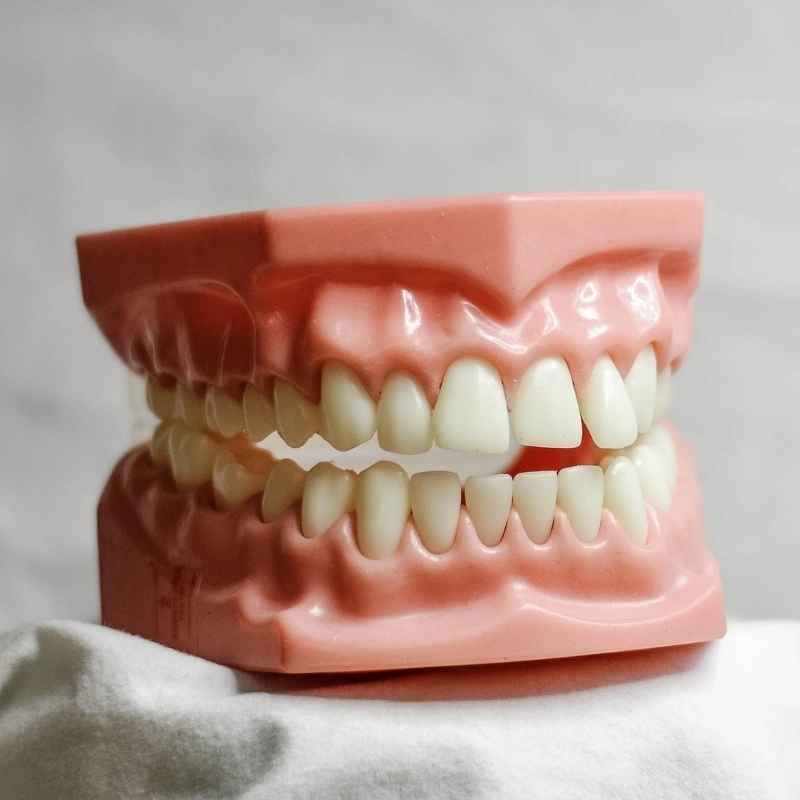
A lot of people come in wishing their teeth were a little straighter. Sometimes it's a parent who never had braces as a kid. Sometimes it's a teenager who has started covering their mouth when they laugh. Either way, it's a common thing to want, and it's worth talking about.
Dr. Daniel Park and Dr. Alison Midgley both treat orthodontic cases here at Walk In The Park Family Dental on Glasgow Street in Kitchener. Straightening teeth is about more than looks, and we are happy to walk you through what is involved and whether it makes sense for you or your child.
Why a Healthy Bite Matters
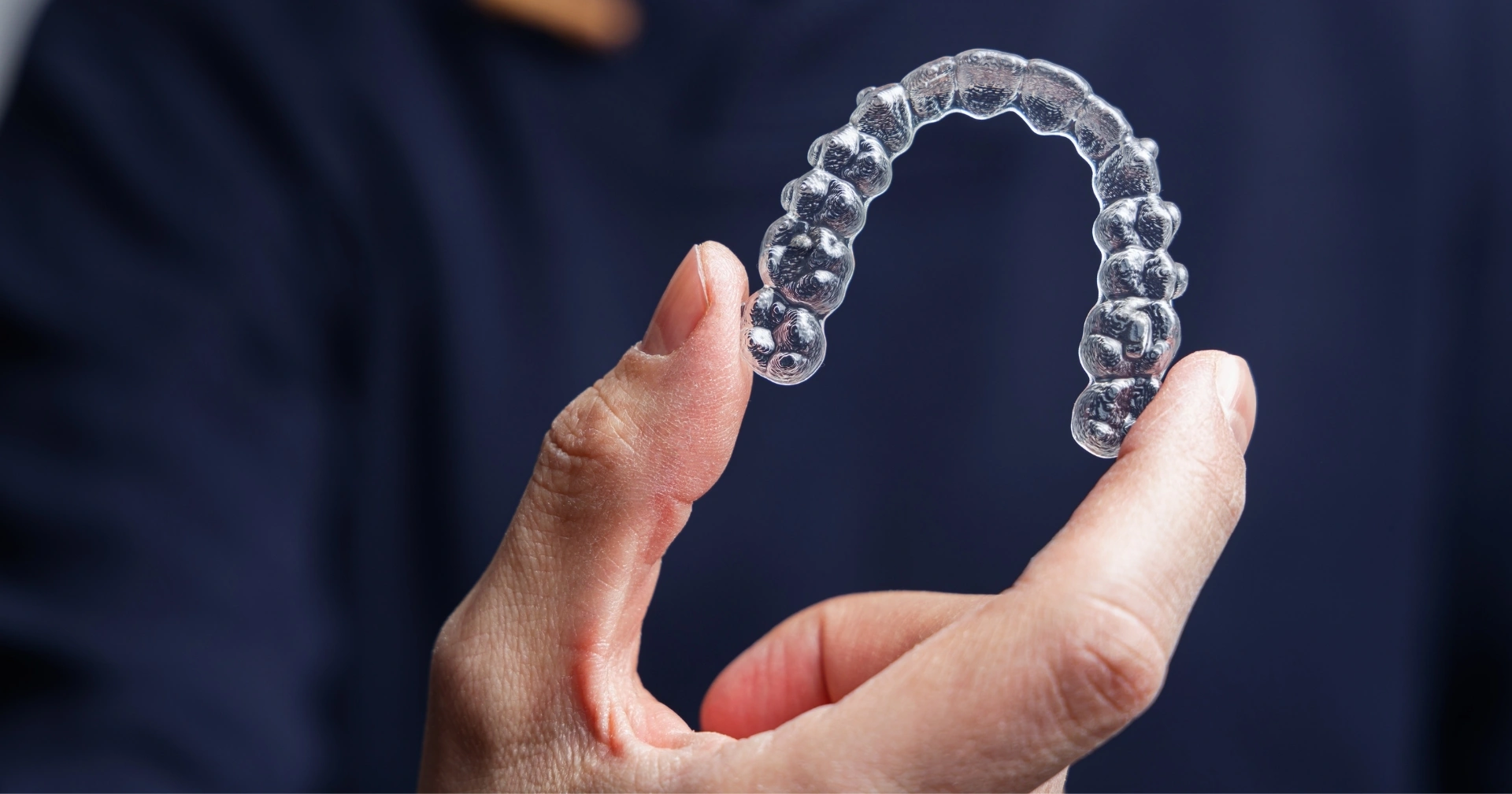
Crooked or misaligned teeth aren't only about appearance. When teeth don't line up properly, your jaw ends up working harder than it should, and that strain can show up in ways people don't expect:
- Tension headaches and jaw pain
- Jaw clicking or neck pain
- Teeth that are harder to clean, which can cause more cavities and gum problems
- Uneven wear on the teeth over time
- Feeling self-conscious about smiling
Invisalign vs. Traditional Braces
Invisalign
A discreet, flexible option that tends to suit busy adults, from working professionals to university students.
- Clear, removable aligners most people won't even notice
- Take them out to eat, brush, or for an important presentation
- Starts with a detailed digital scan and a custom treatment plan
- A new set of aligners about every two weeks
- Many patients see noticeable improvement within a few months
Traditional Braces
The approach that has been around the longest, and still the right call when a case is complicated.
- Highly effective for severe crowding, large gaps, and significant bite issues
- Precise control over how teeth move
- Smaller and more comfortable than braces used to be
- Colour options that younger patients love
- Quick adjustment visits every six to eight weeks
- Sport mouthguards available so activities aren't interrupted
What Makes Our Approach Different
Personalised Treatment Plans
No two mouths move the same way, so we build the plan around your teeth and what you actually want to fix. There is no standard template we drop everyone into.
Built Around Your Schedule
Most of our patients are juggling work, kids, or both. We try to fit appointments around the rest of your life and keep your comfort level in mind as we go.
A Thorough Digital Consultation
We begin with a full examination plus digital X-rays and photographs of your teeth and face. That gives us enough to put together a plan that actually fits your situation.
Education at Every Step
You'll always know what we're doing and why. We'll explain how long treatment should take, what each stage involves, and what you can do to get a good result.
Starting Your Orthodontic Journey
The first step is the hardest, but it doesn't have to be scary. Here's what happens at your first visit:
Step 1
Discuss your concerns and goals
Step 2
Examine your teeth and bite
Step 3
Take any necessary images and X-rays
Step 4
Review your personalised treatment options
Step 5
Walk through flexible payment plans and insurance benefits
Caring for Your Smile During Treatment
- Keep every scheduled adjustment and check-in appointment
- Brush and floss thoroughly to keep teeth and gums healthy
- With braces: avoid hard, sticky, and chewy foods that can damage brackets and wires
- With Invisalign: wear your aligners 20–22 hours a day for the best results
- Keep up with regular dental cleanings and checkups
Life After Orthodontic Treatment
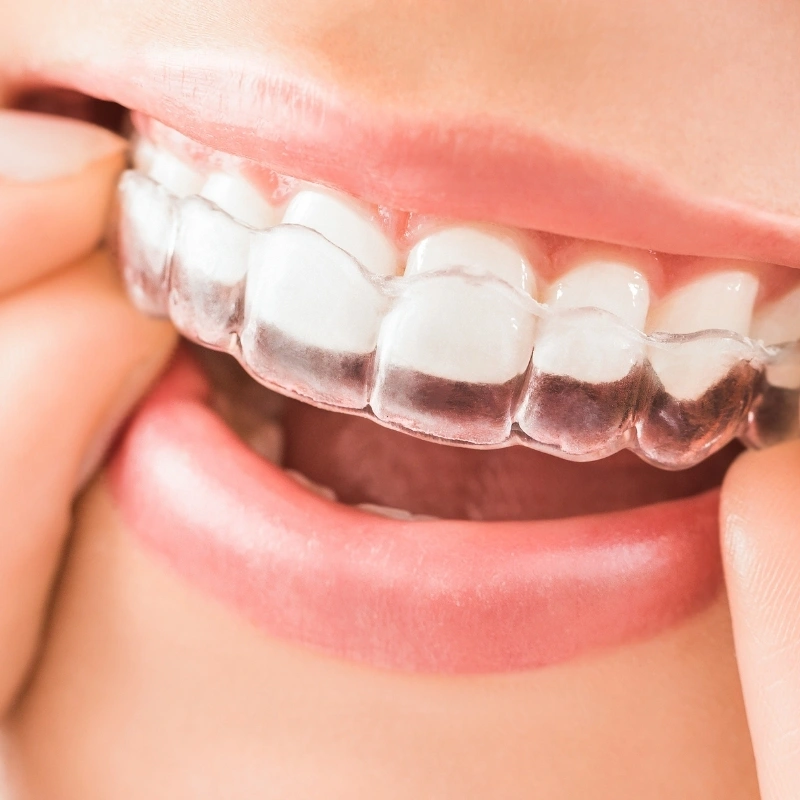
Getting your braces or aligners off is a good day. Retainers are what keep the results you've worked for from slipping back.
- Teeth naturally drift, so retainers hold them in their new positions
- Most patients wear retainers full-time for the first few months
- After that, most transition to nighttime-only wear
- Consistent retainer wear is what keeps your smile straight for life
Orthodontic Treatments We Offer in Kitchener
Straightening teeth is rarely one-size-fits-all. Different smiles call for different tools, and we review the options with you so you can choose the approach that suits your goals, your lifestyle, and your budget. Here are the main types of orthodontic care available at our Glasgow Street practice.
Clear Aligners
Clear, custom-made aligner trays gradually guide teeth into position using a series of nearly invisible removable trays. Because you take them out to eat and to brush, they fit easily into daily routines and are a popular choice for adults and older teens who prefer a discreet, low-profile option. We map out the full sequence using a digital scan before you begin.
Traditional Metal Braces
Metal brackets and wires remain a dependable, well-understood way to correct crowding, spacing, and more involved bite concerns. Today's brackets are smaller and more comfortable than older designs, and younger patients often enjoy choosing the colours for their elastics at each adjustment visit.
Retainers
Once teeth reach their new positions, a retainer holds them there while the surrounding bone and tissue settle. We make custom retainers in both removable and fixed styles, and we walk you through a wear schedule that protects the result over the long term.
Early and Interceptive Care for Children
For younger children, we keep an eye on how the jaw and adult teeth are developing during routine checkups. In some cases, guiding growth early can make later treatment more straightforward. We discuss timing openly and never rush a child into treatment before it is appropriate.
The Orthodontic Treatment Process
Knowing what comes next makes the whole experience feel more manageable. While every plan is tailored to the individual, most orthodontic journeys at our Kitchener office follow a similar path from first visit to final retainer.
Consultation and Assessment
Your first appointment is a conversation. Dr. Park or Dr. Midgley examines your teeth and bite, takes digital X-rays and photographs, and talks through what you would like to change. From there we outline the suitable options, the likely timeline, and what each approach involves so you can make an informed decision.
Active Treatment
Once you choose a plan, treatment begins. With braces, you visit roughly every six to eight weeks for adjustments; with clear aligners, you move to a new tray on a set schedule and check in periodically. We aim to keep each visit quick and comfortable, and we let you know how your progress is coming along.
Retention and Follow-Up
When your teeth have reached their planned positions, the braces or aligners come off and your retainer phase begins. We review how and when to wear your retainer and schedule follow-up visits to confirm everything is holding well. Keeping up with regular dental cleanings during this stage helps protect your investment.
Is Orthodontic Treatment Right for You?
Orthodontic care can suit many ages and stages of life. Adults who were never able to straighten their teeth as children, teenagers ready for braces or aligners, and younger kids whose bite needs monitoring may all benefit from an assessment. Healthy teeth and gums are the foundation, so we look at your overall oral health first and address any cavities or gum concerns before treatment begins.
The only way to know what is realistic for your smile is a proper examination. During your consultation we explain what orthodontic treatment may help with in your situation, what it cannot change, and the trade-offs between the available options. There is no pressure here. Our goal is to give you the information you need so you can decide at your own pace.
Orthodontics Frequently Asked Questions
How long does orthodontic treatment take?
Treatment length varies with the complexity of each case. Minor adjustments may take several months, while more involved corrections can run a year or more. After examining your teeth, we give you a realistic estimate of your timeline so you know what to expect before you commit.
How much does orthodontic treatment cost?
Cost varies depending on the type of treatment and how much correction is needed, so there is no single price that fits everyone. We review pricing with you in detail at your consultation, walk through flexible payment options, and help you understand how your dental insurance benefits may apply.
Is getting braces or aligners uncomfortable?
It is normal to feel some pressure or mild soreness in the first few days after starting treatment or after an adjustment, as your teeth begin to shift. This usually eases within a short time. We design each step to minimize discomfort and are always happy to share simple tips that make the adjustment period easier.
Can adults get orthodontic treatment, or is it just for kids?
Adults of all ages straighten their teeth. Healthy teeth can be moved at any age, and many of our orthodontic patients are working professionals and parents. Clear aligners in particular are a discreet option that fits well with adult routines.
Do I really need to wear a retainer afterward?
Yes. Teeth naturally tend to drift over time, and a retainer holds your results in place once active treatment ends. Wearing your retainer as directed is one of the most important things you can do to keep your smile straight for the long term.
Book an Orthodontic Consultation in Kitchener
If you have been thinking about straighter teeth for yourself or your child, we would be glad to talk it through. Dr. Daniel Park and Dr. Alison Midgley welcome families from across Kitchener and the surrounding area at Walk In The Park Family Dental, 890 Glasgow St #6. To book an orthodontic consultation, call us at (519) 743-1172 and our team will help you find a time that works.
Explore orthodontics services at our Kitchener clinic
Ready to talk about orthodontics?
Book your visit to Walk In The Park Family Dental in Kitchener — new patients are always welcome.
Book an AppointmentBook your visit to our Kitchener clinic
- Address: 890 Glasgow St #6, Kitchener, ON N2N 3G6
- Phone: (519) 743-1172
- Email: [email protected]