
Dental Implants Provider Kitchener
Dr. Daniel Park offers everything from single tooth implants to full mouth restorations with expert dental implants in Kitchener.
About Our Implant Care
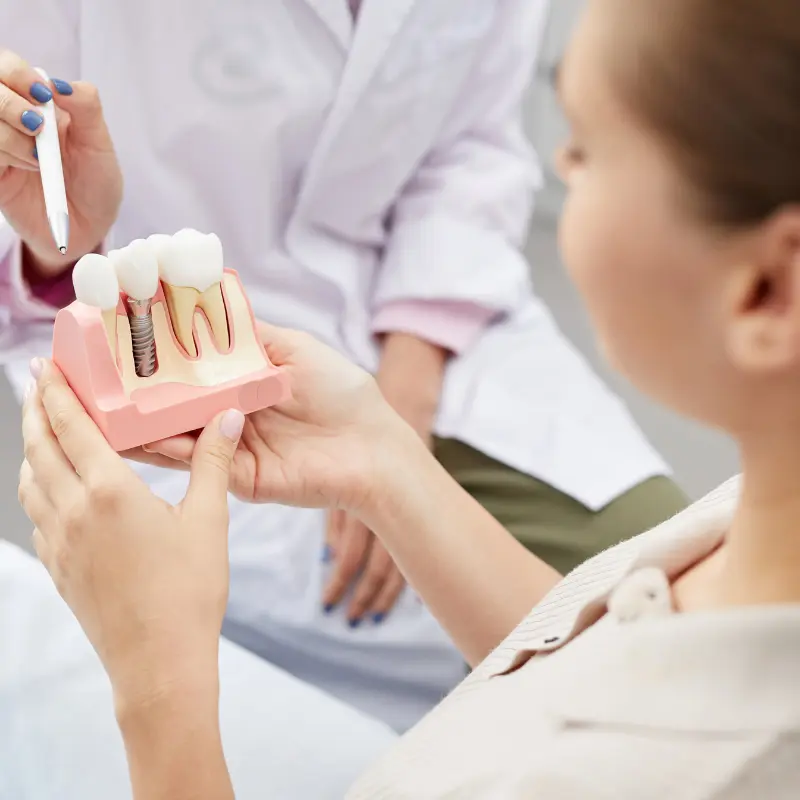
If you are missing a tooth or two and want something that looks and works like a real tooth, a dental implant is worth a look. At Walk In The Park Family Dental in Kitchener, we place implants that sit in the jaw the way a natural root would, so the replacement tooth feels stable when you chew and talk. It is a longer-term fix rather than a quick patch.
Why Dental Implants?
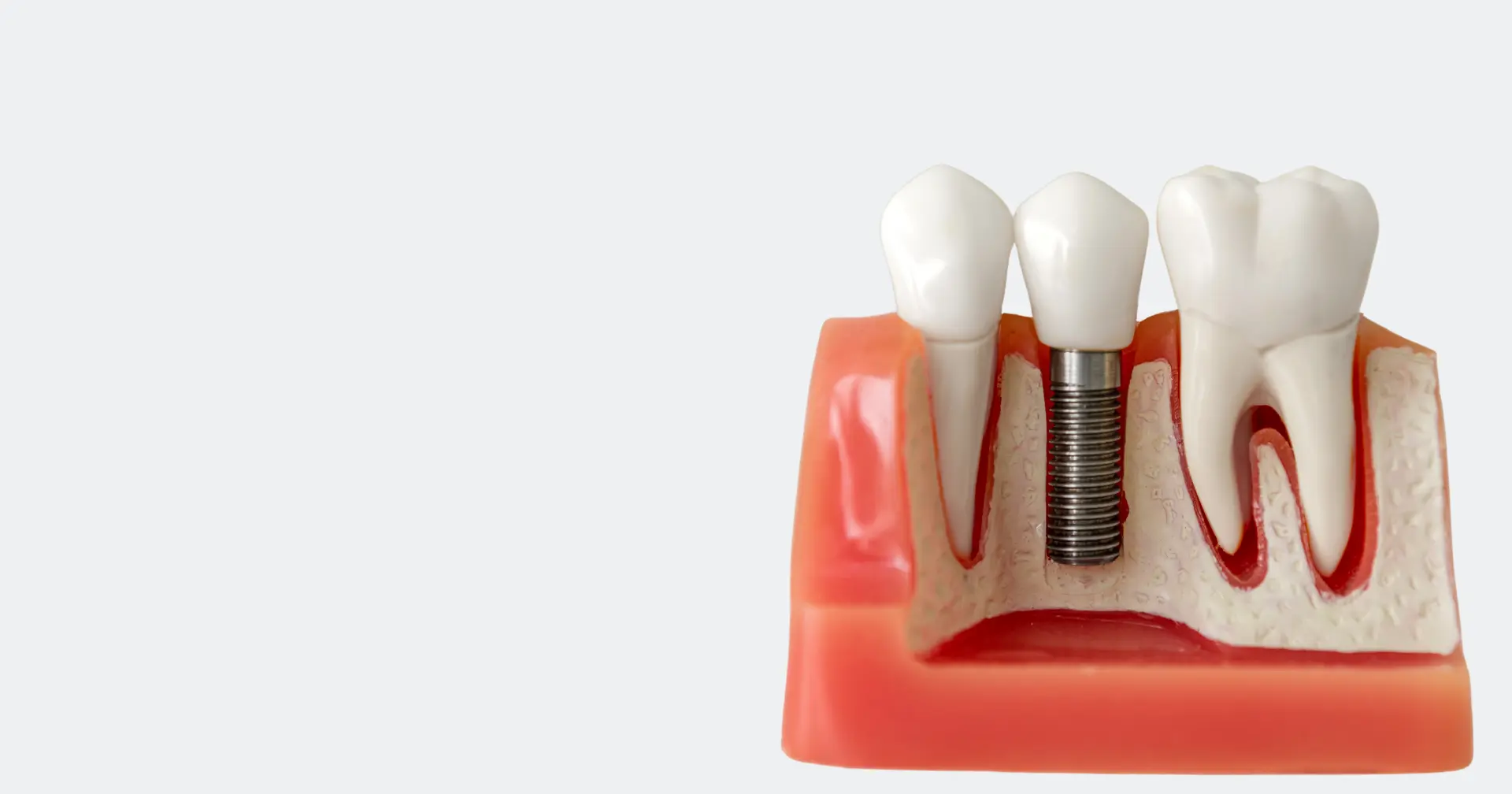
- They last. With good care, an implant can serve you for many years, and often well beyond that.
- They blend in. The crown on top is matched to your other teeth, so it looks and feels like part of your mouth.
- They are easier on your other teeth. A traditional bridge means reshaping the teeth on either side of a gap. An implant stands on its own and leaves the neighbours alone.
- They stay comfortable. Because the implant is anchored in the jaw, you skip the sore spots and shifting that loose dentures can cause.
- They help with speech. Dentures that slip can make you mumble. An implant stays put, so you can talk without thinking about it.
- They are low fuss. No taking anything out at dinner, and none of the adhesive paste that dentures rely on.
Kitchener Dental Implant Clinic
Get in touch with Walk In The Park Family Dental to learn more about dental implants in Kitchener. We use up-to-date imaging and planning to keep your procedure safe and comfortable. Here is what you can expect from us when you choose our clinic for your implant.
Experienced Implant Dentist
Dr. Daniel Park and Dr. Alison Midgley are trained and experienced in implant dentistry. They take the time to do the work properly, and the rest of the team is here to support you through it.
Comprehensive Consultation
It starts with a proper consultation. At your first visit we check your oral health, talk through what you are hoping to fix, and figure out whether an implant is the right call for you. We also take imaging so we can see your jawbone and plan where the implant should go.
Customized Treatment Plan
No two mouths are the same, so we build the plan around yours. We walk you through each step of the procedure and what it involves. You will know what is happening and why at every stage, so nothing comes as a surprise.
Comfortable Atmosphere
Plenty of people feel uneasy about dental work, and that is normal. We keep things calm and unhurried so you can relax in the chair. If you have worries or questions, just ask. The team would rather you bring them up than sit there tense about it.
The Dental Implant Procedure
Getting an implant happens in a few stages rather than a single visit. Here is a quick rundown of what each step looks like.
An Initial Consultation
At this appointment we go over your dental history, examine your mouth, and take any imaging we need to plan the treatment. It is also a good time to ask whatever you are wondering about the procedure.
Implant Placement
Next, the titanium post goes into your jawbone. That post becomes the stable base your new tooth sits on. We usually do this under local anesthetic, and we take care to keep any discomfort to a minimum.
Osseointegration
After placement, the implant needs a few months to fuse with the jawbone. This is called osseointegration. It is what anchors the post in the bone and gives it the strength to hold the final restoration.
Abutment Placement
Once the implant has integrated, we attach a small connector called an abutment to it. The abutment is what links the implant to the new tooth.
Final Restoration
Last comes the crown, matched to the colour and shape of your natural teeth. Once it is on, the new tooth should look, feel, and work like the rest of your teeth.
Aftercare of Your Dental Implants
- Brush and floss every day to keep your implants and the teeth around them clean.
- Come in for regular cleanings and checkups so we can keep an eye on how the implants are doing.
- Go easy on hard things like ice and hard candy, which can chip or damage the restoration.
- If you smoke, think about cutting back or quitting. It slows healing and is hard on your gums.
Dental Implant Options We Offer in Kitchener
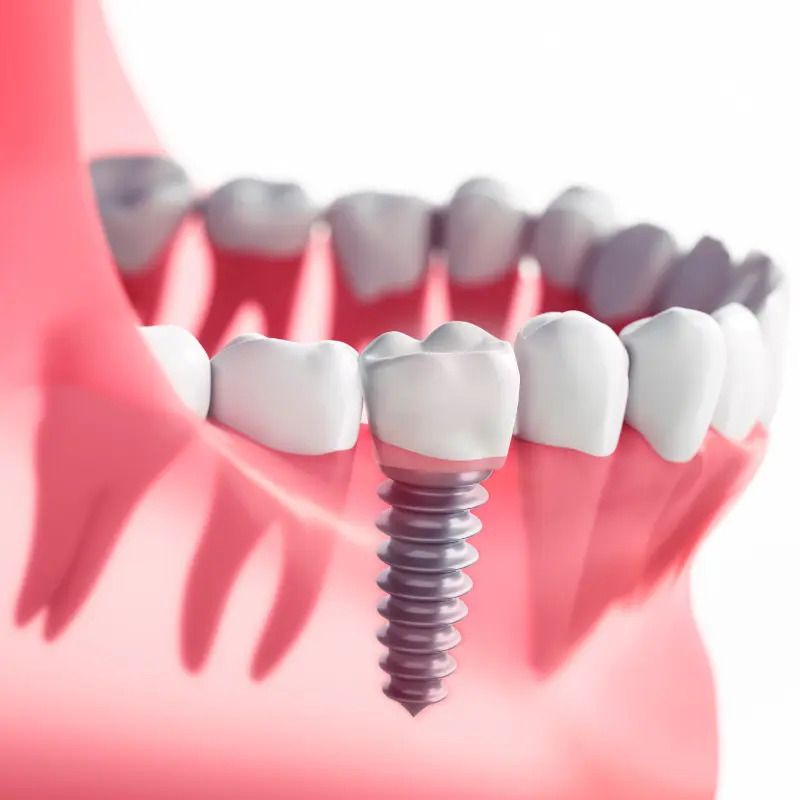
Missing teeth can show up in many ways, from a single gap to a full arch, and the right implant solution depends on your situation. At Walk In The Park Family Dental, we review your needs and explain the options that may suit you. Below are the main implant-based treatments we provide for patients in Kitchener and the surrounding region.
Single Tooth Implants
A single implant replaces one missing tooth without involving the teeth on either side. A titanium post is placed in the jaw, and once it has healed, a custom crown is attached on top. This approach helps preserve neighbouring teeth, since they do not need to be reshaped to support a traditional bridge.
Implant-Supported Bridges
When several teeth are missing in a row, an implant-supported bridge can fill the space using a small number of implants rather than one per tooth. The implants act as sturdy anchors for the bridge, helping restore chewing function and spreading bite forces more evenly. This option is often considered when the gap is too large for a single implant alone.
Implant-Supported Dentures
For patients missing most or all of their teeth, implant-supported dentures attach to a set of implants for added stability. Unlike conventional dentures that rest on the gums, these are held in place by the implants, which can reduce slipping and improve comfort while eating and speaking. Depending on what you prefer, they can be made removable for cleaning or fixed in place.
Bone Grafting and Site Preparation
Some patients do not have enough jawbone to support an implant right away, often due to bone loss after a tooth has been missing for some time. In these cases, a bone graft may be recommended to build up the area before placement. We assess your jaw with imaging during your consultation and discuss whether this step is needed.
What to Expect During Implant Healing
Healing is a key part of implant treatment, and understanding the stages can help you feel more prepared. The timeline varies from person to person, and we will give you guidance specific to your treatment. Here is a general look at how recovery tends to progress.
The First Few Days
After implant placement, some swelling, mild discomfort, or minor bleeding around the site is common and usually settles within a few days. We provide instructions on managing this and may suggest over-the-counter pain relief or a short course of medication if appropriate. Resting and following your aftercare guidance during this period supports smoother healing.
Osseointegration Over Several Months
Over the following weeks and months, the implant gradually fuses with the surrounding bone in a process called osseointegration. This step is what gives the implant the strength to support a crown, bridge, or denture over the long term. We may schedule check-ins during this time to confirm that healing is progressing as expected.
Placing the Final Restoration
Once the implant has integrated and your dentist confirms it is stable, the abutment and final restoration are added. At this stage, the tooth is shaped and colour-matched to blend with your natural teeth. Many patients find that the completed implant feels much like a natural tooth once everything is in place.
Caring for Your Dental Implants Long Term
Good daily habits and regular dental visits help your implants stay healthy for many years. While an implant cannot develop a cavity, the gums and bone that support it still need care. The following tips can help you protect your investment.
- Brush at least twice a day and clean around the implant carefully, just as you would a natural tooth.
- Floss daily, or use an interdental brush or water flosser to reach areas around the implant and gumline.
- Keep regular checkup and cleaning appointments so we can monitor the implant and surrounding tissues.
- Avoid biting hard items like ice, pens, or hard candy, which can damage the crown or restoration.
- Let us know if you grind your teeth, as a nightguard may help protect both implants and natural teeth.
- Avoid tobacco, which can affect healing and the long-term health of your gums.
Is a Dental Implant Right for You?
Dental implants may be a good fit for many adults who are missing one or more teeth and have generally healthy gums and enough jawbone to support an implant. Factors such as overall health, smoking, and certain medical conditions can affect healing, which is why a thorough assessment matters. During your consultation, we review your dental and medical history and discuss whether implants or another option, such as a bridge or denture, may better suit your situation.
There is no single right answer for everyone, and our goal is to give you clear information so you can make a decision that feels right for you. If implants are not the best path forward at this time, we will explain the alternatives and any steps that could help you become a candidate in the future.
Dental Implant Frequently Asked Questions
Patients often have questions before starting implant treatment. Here are answers to some of the ones we hear most often at our Kitchener clinic.
How long does the whole implant process take?
The timeline depends on your situation, including whether you need a bone graft and how your body heals. From placement through osseointegration to the final restoration, the process often spans several months. We will outline an estimated schedule for your specific treatment at your consultation.
Is getting a dental implant uncomfortable?
Implant placement is usually done under local anesthetic, and we work to keep discomfort low during the procedure. Many patients say recovery was more manageable than they expected, with little or no soreness once the area heals. We will talk through comfort options and what to expect beforehand.
How much do dental implants cost?
Cost varies depending on the number of implants, whether additional procedures like bone grafting are needed, and the type of restoration. Because every case is different, we review pricing with you at your consultation and discuss any insurance or payment considerations so you have a clear picture before moving forward.
How long can dental implants last?
With good oral hygiene and regular dental visits, implants can last many years and, in plenty of cases, much longer. The crown or restoration on top may eventually need maintenance or replacement over time. Caring for your implants as you would your natural teeth gives them the best chance of lasting.
Can I get an implant if I have been missing a tooth for years?
In many cases, yes, though long-standing gaps can lead to bone loss that may require a graft before placement. We assess the area with imaging during your visit to determine whether the bone can support an implant or whether site preparation is needed first.
Walk In The Park Family Dental
890 Glasgow St #6, Kitchener, ON
If missing teeth have been bothering you, it is worth finding out whether implants are a good option for you. Give us a call at Walk In The Park Family Dental and we can talk it through.
And if something goes wrong with an implant and you need help quickly, our emergency dental service is here for that too.
Ready to talk about dental implants?
Book your visit to Walk In The Park Family Dental in Kitchener — new patients are always welcome.
Book an AppointmentBook your visit to our Kitchener clinic
- Address: 890 Glasgow St #6, Kitchener, ON N2N 3G6
- Phone: (519) 743-1172
- Email: [email protected]