
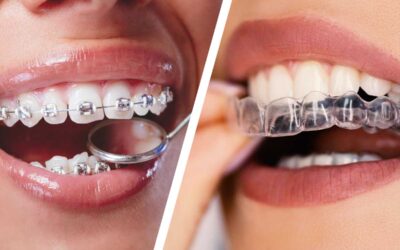
Thinking About Straightening Your Teeth in Kitchener?
Deciding to straighten your teeth is a fairly common step for both teens and adults in Kitchener, and most people start by comparing two routes: clear aligners and braces. If you are weighing them up, you are not alone, and you do not have to settle the question on your own. This page lays out how each one works and where they differ, so you can come into a conversation already knowing the questions you want to ask.
Invisalign vs Braces in Kitchener: An Overview
The two options most people compare are Invisalign clear aligners and traditional braces. Both shift teeth into better alignment over time, and dentists and orthodontic providers across Kitchener and the wider Waterloo Region use both regularly. Which one fits you comes down to your teeth, your day-to-day routine, and what you are hoping to change.
We have written this as a plain explanation, not a sales pitch. It covers how each method works and how they compare on the things patients tend to ask about, so you can think it through before you decide anything. The idea is simply to hand you good information.
Neither option is the "better" one in any blanket sense. They both come with trade-offs, and the choice that suits one person can be the wrong one for the next. Sorting out the differences is where the decision really starts.
How Invisalign Works
Invisalign is a brand of clear aligner. Rather than brackets and wires, it uses a series of custom-made, removable trays made from a clear medical-grade plastic. Each tray is shaped a little differently from the one before it, and that small difference puts light pressure on your teeth to nudge them toward where they are meant to end up.
Custom Digital Planning
Treatment usually starts with a digital scan or an impression of your teeth. From that, your provider maps out how the teeth will move from beginning to end, and your whole set of trays gets made to follow that plan. In many cases you can see a preview of the projected result before you start.
Wearing the Aligners
You wear the aligners roughly 20 to 22 hours a day, taking them out only to eat, to drink anything other than water, and to brush and floss. Every one to two weeks you switch to the next tray in the series, depending on the schedule your provider sets. Since the trays are clear and come out easily, a lot of people find them easy to live with.
Check-Ins and Refinements
You will come back now and then so your provider can check that the teeth are moving as expected. Sometimes a few extra aligners or small tooth-coloured attachments help with movements that are harder to achieve. The big variable here is wear time: skip it and the timeline slips.
How Traditional Braces Work
Braces are a fixed system, so they stay on your teeth for the whole treatment. Small brackets are bonded to each tooth and joined by a thin archwire. As that wire gets adjusted over the months, it keeps up a steady pull that moves the teeth into line.
Brackets and Wires
Most brackets are metal, but tooth-coloured ceramic ones are available if you want something less obvious. The archwire runs through each bracket and is held with small elastic ties or clips. That setup guides the teeth and, in some cases, corrects how your upper and lower teeth bite together.
Periodic Adjustments
You come back every few weeks so the wire can be tightened or swapped. These visits are what move the treatment forward, and they give your provider a chance to adjust course based on how the teeth are actually responding.
Handling Complex Movements
Because braces are fixed and working around the clock, they often handle more involved tooth movements and bite corrections well. They are not removable either, so the treatment does not hinge on you remembering to wear anything. For some patients, that is one less thing to worry about.
Comparing Invisalign and Braces
When people compare the two, they usually want to know how they stack up on a handful of practical points. Here is an honest look at the ones that come up most. Every set of teeth is different, so treat these as general patterns, not promises for your particular case.
Appearance
Aligners are clear, so day to day they tend to be hard to spot, which is a big draw for plenty of adults and older teens. Braces show more, though ceramic brackets are a good deal subtler than metal. And some patients genuinely like picking coloured elastics with braces, so the visibility cuts both ways.
Comfort
Neither option is completely free of soreness. You will usually feel some pressure or tenderness right after starting a new aligner or having a wire adjusted, because that is the teeth moving. Aligners have smooth edges; braces can rub the cheeks or lips a bit until your mouth gets used to them. Dental wax or over-the-counter pain relief helps with either, and the ache normally fades within a few days.
Treatment Time
How long treatment takes varies a lot with both, and it hinges on how much the teeth need to move and how closely the plan is followed. Aligners lean heavily on you wearing them consistently, while braces keep working on their own because they never come off. Your provider can give you a more realistic time range once they have looked at your teeth.
Maintenance and Daily Life
With Invisalign you pop the trays out to eat and to clean your teeth, so food is less of a hassle and brushing and flossing stay the same as always. With braces you steer clear of hard, sticky, and chewy foods, and cleaning around the brackets and wires takes a bit more patience. Either way, you need to stay on top of your oral hygiene.
Cost
Cost tracks with how complex your case is, how long it runs, and the details of your plan, so there is no one price that covers everyone. We go over pricing with you at your consultation and can sort through any dental insurance coverage or payment arrangements you have. It is worth checking what your benefits actually cover before you commit.
What Both Options Have in Common
Different as they are, Invisalign and braces are after the same thing: moving teeth into healthier, better-aligned positions a little at a time. Both work through steady pressure over months, both involve regular check-ins to track progress, and both ask you to keep your mouth clean the whole way through.
Most people also finish with a retainer, whichever route they took. Once the teeth have settled into their new spots, a retainer keeps them there while the gum and bone around them firm up. Wearing it the way you are told is what protects all that work, so it is not a step to skip.
Which Option Might Suit You?
Picking between Invisalign and braces usually comes down to what you care about and how you live. If you want something discreet and the option to take the trays out for meals or a night out, and you are confident you will wear them the recommended hours, aligners may appeal to you. If you would rather not think about wear time at all, or your case needs more complex movements, fixed braces can be the more practical call.
The only real way to settle it is to have someone look. Our dentists, Dr. Daniel Park and Dr. Alison Midgley, can examine your teeth, talk through what you are hoping for, and tell you which approaches are realistic for your situation. There is no single right answer for everyone, and we are glad to go through the options at a pace that lets you actually think.
Invisalign vs Braces Frequently Asked Questions
Does Invisalign or braces work better?
Neither wins automatically. They are different tools for different situations. Aligners get chosen for being discreet and removable; braces are fixed and tend to handle more involved movements well. Which suits you depends on your teeth, what you are after, and your daily habits, and that is something we can look at together.
How much do Invisalign and braces cost in Kitchener?
It varies with how complex your case is and how long treatment runs, so there is no flat rate that fits everyone. We go over pricing at your consultation and can talk through insurance coverage and payment options. That way you see the whole picture before you decide anything.
Is treatment uncomfortable?
You can expect some pressure or tenderness when the teeth start to shift, especially right after a new aligner goes in or a wire is adjusted. That is normal and it usually eases within a few days. Dental wax or over-the-counter pain relief takes the edge off, and most people settle in fine as treatment goes on.
Can adults get Invisalign or braces?
Yes. Adults straighten their teeth as often as teens do, and many go with clear aligners or ceramic braces for a more subtle look. What matters most is the health of your teeth and gums and the kind of movement needed, both of which we can check at an appointment.
How do I keep my teeth clean during treatment?
With aligners, you take the trays out to brush and floss as normal, and you clean the trays regularly too. With braces, you brush carefully around the brackets and wires and may want interdental brushes or a floss threader. Keeping up your daily routine is what supports a healthy result either way.
Contact Walk In The Park Family Dental in Kitchener
If you want to figure out whether Invisalign or braces makes more sense for you, we are happy to help. Our team can look at your teeth, answer whatever questions you have, and walk you through the realistic options without any pressure.
You can reach Walk In The Park Family Dental at (519) 743-1172, or come see us at 890 Glasgow St #6, Kitchener, ON. We would be glad to help you make a choice you feel good about.